D--108
Today 2026-10-12

Overseas Invited Faculty
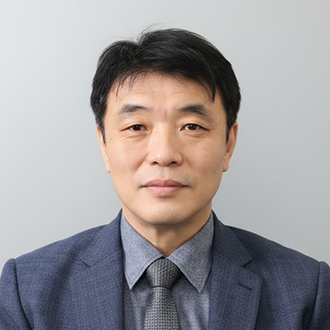
Chih-Hsin Hsu
National Cheng Kung Univ., Taiwan
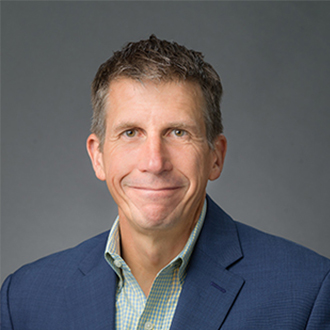
Derek Solum
United Therapeutics, USA
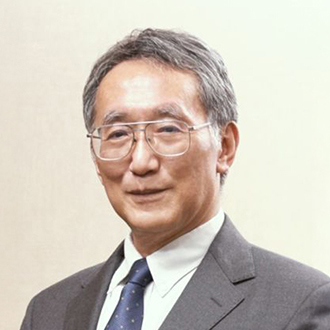
Hiromi Matsubara
NHO Okayama Medical Center, Japan

John Feenstra
Pulmonary Hypertension Research Queensland, Australia
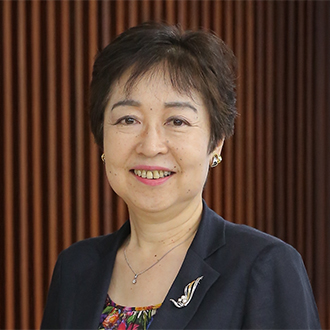
Keiko Yamauchi-Takihara
Professor Emeritus, Osaka Univ., Japan
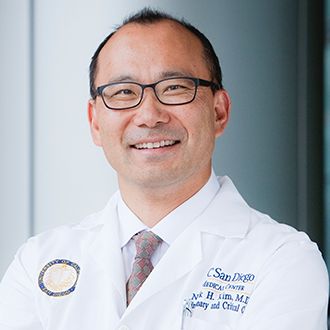
Nick H. Kim
UCSD, USA
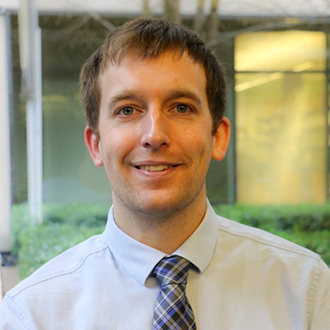
Samuel G. Rayner
Univ. of Washington, USA
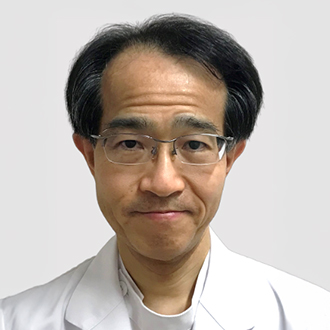
Shigetoyo Kogaki
Osaka General Medical Center, Japan
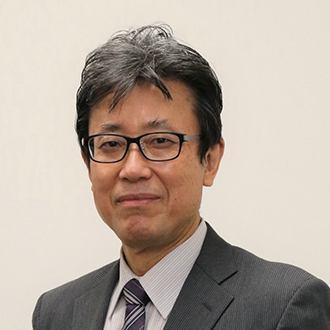
Shozaburo Doi
Institute of Science Tokyo, Japan
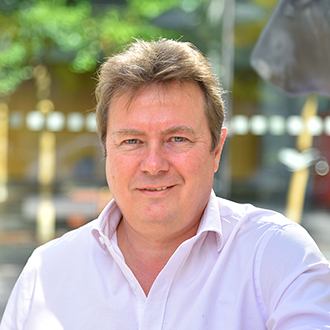
Stephan Rosenkranz
Univ. of Cologne, Germany
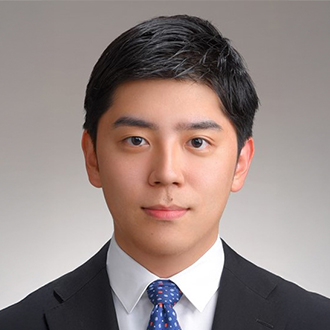
Takahiro Hiraide
Keio Univ. School of Medicine, Japan
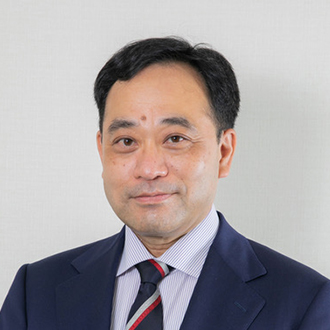
Yoshihiro Fukumoto
Kurume Univ. School of Medicine, Japan
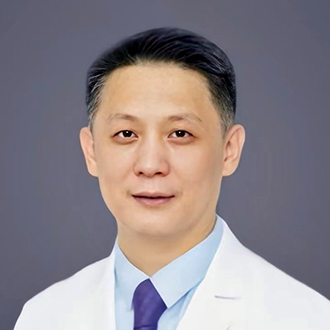
Zhi-Cheng Jing
Guangdong Cardiovascular Institute, China
Educational Background
Visiting Scholar , University of Chicago Medical Center
PhD, Institute of Clinical Medicine, National Cheng Kung University, Tainan, Taiwan
Master Degree, Pulmonary Vascular Disease, University of Bologna, Bologna, Italy
MD, China Medical College, Taichung, Taiwan
Professional Career
2022- Professor, National Cheng Kung University
2023-, Deputy Superintendent, National Cheng Kung University Hospital
2020-2023 Medical Secretory, National Cheng Kung University Hospital
2019-2020 Deputy Superintendent, National Cheng Kung University Hospital Dou-Liou Branch
2004 Attending Physician, National Cheng Kung University Hospital
Research Field
Pulmonary Hypertension
Heart Failure
Heart Transplant Care
Critical Care
Post Resuscitation Care
Educational Background
Apr 1982- Mar 1988 MD; Okayama University Medical School
May 1988- Apr 1990 National Okayama Hospital, Department of Internal Medicine, Residency
May 1990- Apr 1993 National Cardiovascular Center, Department of Cardiology, Residency
Sep 2000 PhD; Okayama University Graduate School of Medicine and Dentistry
Professional Career
Okayama University Graduate School of Medicine and Dentistry, Department of Cardiology; Associate Professor (May 2000- Apr 2003)
National Hospital Organization, Okayama Medical Center, Department of Cardiology; Director (May 2003- Mar 2020, Department of Clinical Science; Director (May 2010- Mar 2019)
Entire Medical Departments; Director (Apr 2019 - Mar 2021), Vice President (Apr 2021 – active)
Research Field
clinical and physiological aspects of pulmonary hypertension
diagnosis and treatment of Group I PH
Interventional treatment of Group IV PH
Papers, Books, etc.
J Heart Lung Transplant. 2025. doi: 10.1016/j.healun.2025.10.031
Lancet Respir Med. 2025. doi: 10.1016/S2213-2600(25)00127-4
Circ Cardiovasc Interv. 2025. doi: 10.1161/CIRCINTERVENTIONS.125.016172
J Am Coll Cardiol. 2025;85:2270-2284. doi: 10.1016/j.jacc.2025.04.021
Clin Nucl Med. 2025;50:623-630. doi: 10.1097/RLU.0000000000005919
Educational Background
MBBS, University of Queensland, 1996
BMedSc (with Distinction), Physiology and Pharmacology, University of Queensland, 1995
FRACP, Royal Australasian College of Physicians, 2005
Transplant and Pulmonary Hypertension Fellowship, The Prince Charles Hospital, 2005
Professional Career
Thoracic and Sleep Disorders Physician; Pulmonary Hypertension Specialist, 2005-Present
Lead Physician, Pulmonary Vascular Disease Unit/QLTS, The Prince Charles Hospital, 2015-Present
Director, Wesley Pulmonary Hypertension Unit, Wesley Hospital, 2008-Present
Director, Pulmonary Hypertension Research Queensland, 2025-present
President, Pulmonary Hypertension Society of Australia and New Zealand (PHSANZ), 2021-Present
Senior Lecturer in Medicine, University of Queensland, 2006–Present
Research Field
Phase 1 to 4 Clinical Trials
Clinical trials in Groups 1 to 4
Exercise in PHT and exercise MRI
Papers, Books, etc.
Kearney K et al. (incl. Feenstra J). Impact of left heart disease risk factors on outcomes in PAH therapy. Chest. 2024;165(4):967–977.
Feenstra J et al. Effectiveness of epoprostenol in PAH: findings of an Australian retrospective chart review. Intern Med J. 2020;50(11):1377–1384.
Anderson J et al. (incl. Feenstra J). Retrospective Validation of the REVEAL 2.0 Risk Score with the ANZ PH Registry. Chest. 2020;157(1):162–172.
Scalia GM et al. (incl. Feenstra J). ePLAR – echocardiographic pulmonary to left atrial ratio: a novel parameter to differentiate pre- and post-capillary PH. Int J Cardiol. 2016;212:379–386.
H-index: 10. ORCID: 0009-0006-2840-9272. Full publication list available on request.
Educational Background
She was a Vice-President of Japanese Pulmonary Circulation and Pulmonary Hypertension Society (JPCPHS) during 2015-2021. She graduated from Nagasaki University School of Medicine and obtained her Ph.D. from Osaka University Graduate School of Medicine.
Professional Career
From 1987, she worked at The Center for Cardiovascular Research, The Toronto Hospital, and since 1990, conducted research on signal transduction of cytokines and growth factors in cardiac myocytes at the Department of Cardiology, Osaka University Graduate School of Medicine.
She was appointed as Vice-President of Osaka University in 2014, and also worked as a Trustee of National Cerebral and Cardiovascular Center (2018-2024) and an Auditor of National Institute for Quantum Science and Technology, Japan (2020-2024).
Research Field
Although she has a longstanding interest in genetics and biological mechanisms of the development of cardiomyopathy, her research interests include pulmonary circulation and cardiopulmonary interrelations from the viewpoints of genetics and inflammation
Papers, Books, etc.
Over 100 reviewed basic and clinical research papers;
Successful treatment of severe combined post- and pre-capillary pulmonary hypertension in a patient with idiopathic restrictive cardiomyopathy. Pulm Circ. 2018 Jul-Sep;8(3)
Interleukin-6/interleukin-21 signaling axis is critical in the pathogenesis of pulmonary arterial hypertension. Proc Natl Acad Sci U S A. 2015 May 19;112(20):E2677-86. doi: 10.1073/pnas.1424774112.
The challenge of the "estrogen paradox" in pulmonary arterial hypertension. Circ J. 2013;77(8):1992-3.
Pulmonary arterial hypertension associated with chronic active Epstein-Barr virus infection. Intern Med. 2011;50(2):119-24.
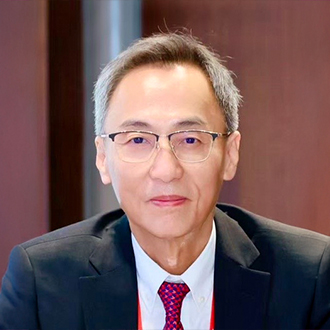
Educational Background
1979/07 MD. NATIONAL DEFENSE MEDICAL UNIVERSITY
1995/07-1997/07 -Post-doctoral fellowship, Hospital of the University of Pennsylvania, USA
2015/02 & /06 -Master class of Pulmonary Vascular Disease, Bologna University Hospital, Bologna, Italy
Professional Career
2018/12- Director, Center for PH and PVD, CMUH, Taichung, Taiwan
2015/04-2027/04 -Chairperson, Taiwan Pulmonary Hypertension Association (TPHA)
Research Field
Pulmonary hypertension including clinical and genetic studies
Papers, Books, etc.
Pulmonary hypertension publication in recent 5 years
Liang K-W, Chang S-K, Chen Y-W, Tsai W-J, Wang K-Y*(corresponding author). A cluster of heritable pulmonary arterial hypertension cases in a family with all three siblings carrying the same novel AQP1 c.273C>G variant-a case report. Pulm Circ. 2023;e12211. https: //doi.org/10.1002/pul2.12211
I Hsin Tai, Tsung-Cheng Shyu, Kai-Sheng Hsieh, Ke-Wei Chen, Wan-Jane Tsai, Kuo-Yang Wang*(corresponding author). Case report: The impact of percutaneous atrial septal defect closure in pulmonary hypertension with co-existing cor triatriatum sinister and multiple cardiac comorbidities. Front. Cardiovasc. Med., 07 September 2022 Sec. Cardiovascular Therapeutics https://doi.org/10.3389/fcvm.2022.913391
Kae-Woei Liang, Sheng-Kai Chang, Yu-Wei Chen, Wei-Wen Lin, Kuo-Yang Wang*(corresponding author). Whole exome sequencing of patients with primary pulmonary arterial hypertension in central Taiwan. Front Cardiovasc Med. 22 June 2022, doi: 10.3389/fcvm.2022.911649
Liang KW, Wei HJ, Wang KY*(corresponding author). Sustained hemodynamic and clinical improvements for a patient with idiopathic pulmonary arterial hypertension over 1.5 years after balloon atrial septostomy: a case report. Front Cardiovasc Med. 2022 Apr 7;9:868123. doi:10.3389/fcvm.2022.868123. eCollection 2022
Educational Background
College: Harvard University, 1989, A.B. (Magna Cum Laude, Biology)
Medical School: University of Chicago Pritzker School of Medicine, 1994, M.D.
Internship: University of Chicago, Internal Medicine, 1994-1995, 1996-1998
Residency: University of California San Francisco, Anesthesiology, 1995-1996
Fellowship: University of California San Diego, Pulmonary and Critical Care Medicine, 1998-2001
Professional Career
Faculty at UCSD since 2001. Fellowship program director 2009-2017. Currently, Professor of Medicine in the Division of Pulmonary, Critical Care, Sleep Medicine, & Physiology. Section Chief of Pulmonary Vascular Medicine. Medical Director of Pulmonary Thromboendarterectomy Program.
Research Field
Evaluation and treatment of pulmonary arterial hypertension
Interventional and medical management of chronic thromboembolic disease
Perioperative management following pulmonary thromboendarterectomy
Balloon pulmonary angioplasty for chronic thromboembolic disease
Clinical trials in pulmonary hypertension
Papers, Books, etc. presented or published by your name
As of Nov 2025: 132 peer-reviewed publications on pulmonary hypertension including, pulmonary arterial hypertension and chronic thromboembolic pulmonary hypertension
Lead author for the 5th, 6th, and 7th World Symposium on Pulmonary Hypertension task force on “Chronic Thromboembolic Pulmonary Hypertension”. 4th World Symposium on Pulmonary Hypertension task force member: “Endpoints and Clinical Trial Design in PAH” and “Interventional and Surgical Modalities of Treatment in PH”.
Educational Background
Macalester College, B.A., Biology (cum laude), 2006
University of Minnesota Medical School, M.D., 2011
Residency: Internal Medicine, University of Washington, 2011–2014
Fellowship: Pulmonary, Critical Care & Sleep Medicine, University of Washington, 2015–2018
Professional Career
Assistant Professor of Medicine, Division of Pulmonary, Critical Care & Sleep Medicine, University of Washington. Principal Investigator of an NIH-funded pulmonary vascular biology laboratory. Medical Director of the UW Chronic Thromboembolic Pulmonary Hypertension (CTEPH) Program and Associate Director of the UW Hereditary Hemorrhagic Telangiectasia (HHT) Center.
Research Field
In vitro modeling of pulmonary arterial hypertension using bioengineered vascular platforms
Hemodynamic forces and pulmonary endothelial dysfunction
Translational multi-omics in pulmonary arterial hypertension
Diagnosis and management of chronic thromboembolic pulmonary hypertension
Papers, Books, etc.
Author of 44 peer-reviewed publications spanning pulmonary vascular disease, vascular biology, and related fields. Selected highlights:
Rayner SG et al. Multiphoton-guided Creation of Complex Organ-specific Microvasculature. Adv Healthc Mater. 2021.
Rayner SG et al. Zone of Uncertainty in Pulmonary Arterial Wedge Pressure Measurement. Am J Respir Crit Care Med. 2024.
Hirsch K*, Mandrycky CJ*, Kwan I, …Rayner SG. Endothelial Responses to Shear Stress and Pressure in PAH. bioRxiv. 2025 (under review).
Educational Background
1982-1988: Osaka University Graduate School of Medicine
Professional Career
2018- : Director, Department of Pediatrics and Neonatology, Osaka General Medical Center
2003-2018: Assistant Professor, Department of Pediatrics, Osaka University Graduate School of Medicine
2002-2003: Pediatrics-in-chief, Department of Pediatrics, Ikeda Municipal Hospital
1999-2002: Research Fellow, Department of Vascular Biology, Institute of Child Health, University Collage of London
Research Field
Pediatric Pulmonary Circulation and Pulmonary Hypertension
Pediatric Cardiomyopathy and Heart Failure
Congenital Heart Disease
Papers, Books, etc.
Pharmacological Treatment Practices for Patients with Congenital Heart Disease and Pulmonary Hypertension in Japan: Insights from the Japanese Association of Congenital Heart Disease Registry (JACPHR). Am J Cardiol. 2025; 257:18-25.
Current Circumstances Regarding End-of-Life Among Adult Congenital Heart Disease Patients in Japan. Circ J. 2024; 88:640-641.
Educational Background
1976 – 1978 Premedical Course, Tokyo Medical and Dental University, Chiba, Japan
1978 – 1982 M.D., Tokyo Medical and Dental University, Tokyo, Japan
2000 Ph.D. (Doctor of Medicine), Tokyo Medical and Dental University, Tokyo, Japan
Professional Career
1991 Board certified in Pediatrics, Japanese Pediatric Society
2011 Board certified in Pediatric Cardiologist, Japanese Society of Pediatric Cardiology and Cardiac Surgery
2011 Board certified in PALS provider, American Heart Association
Research Field
Japanese Medical Specialty Board and Instructor of Pediatrics
Specialty Board of Pediatric Cardiology
Honorary fellow of Japanese Society of Pediatric Cardiology and Cardiac Surgery
Honorary fellow of Japanese Pulmonary Circulation and Pulmonary Hypertension Society
Papers, Books, etc. presented or published by your name
Implantable Cardioverter Defibrillator for Primary Prevention in Children With Arrhythmogenic Right Ventricular Cardiomyopathy: A Case Series. Cureus. 2025 Jan 10;17(1):e77253
Systematic Review of the Application of Pulmonary Hypertension Treatments in Ventricular Septal Defect, Pulmonary Atresia, and Major Aortopulmonary Collateral Arteries. J Clin Med. 2026 Jan 30;15(3):1087. doi: 10.3390/jcm15031087
Educational Background
Prof. Dr. med. Stephan Rosenkranz completed his Doctoral dissertation at Justus-Liebig-Universität Gießen, Gießen, Germany; a Post-doctoral fellowship at Harvard Medical School, Boston, Massachusetts, USA; and a residency and research fellowship at the Klinik III für Innere Medizin (Dept. of Cardiology), University of Cologne, Germany.
Professional Career
Prof. Dr. med. Stephan Rosenkranz currently holds the posts of Chair, Cologne Cardiovascular Research Center (CCRC); Full Professor of Cardiology (“Cardiopulmonary interaction”), University of Cologne; Head of Expert Center on Pulmonary Hypertension; Associate editor of European Journal of Heart Failure, Cardiovascular Research, Current Heart Failure Reports; and as a reviewer for numerous scientific journals, including Journal of the American Medical Association, Lancet, European Heart Journal.
Research Field
Prof. Dr. med. Stephan Rosenkranz has experience in numerous clinical trials in the field of heart failure and pulmonary hypertension (phase I, II, III, IV) and is Head ("Principal Investigator") of the working group on "Molecular Cardiology," with a research focus of Signal transduction and pathobiological relevance of tyrosine kinases in cardiovascular disease.
Papers, Books, etc. presented or published by your name
Most recently: Rosenkranz S, Ghofrani HA, Hoeper MM, et al. Safety and efficacy of riociguat in patients with pulmonary arterial hypertension and cardiometabolic comorbidities: Data from interventional clinical trials [published correction appears in J Heart Lung Transplant. 2025:S1053-2498(25)01764-4. doi: 10.1016/j.healun.2025.02.1679.].
J Heart Lung Transplant. 2025;44(2):135-146. doi:10.1016/j.healun.2024.08.018
Educational Background
Medical Graduate 2006 – 2012 Doctor of Medicine Keio University School of Medicine, Tokyo, JAPAN
Doctoral Course 2017 – 2020 Doctor of Philosophy Keio University School of Medicine, Tokyo, JAPAN
Professional Career
Residency 2012 - 2014 Internal Medicine Keio University Hospital, Tokyo, JAPAN
Fellowship 2014 - 2017 Cardiology Yokohama Citizen’s Municipal Hospital Kanagawa, JAPAN
Research Fellowship 2017 - 2020 Cardiology Keio University School of Medicine, Tokyo, JAPAN
Postdoctoral Fellowship 2021 – Present Cardiology Keio University School of Medicine, Tokyo, JAPAN
Fellowship 2025 – Present Medical genomics National Cerebral and Cardiovascular Center, Osaka, JAPAN
Research Field
I have focused on understanding the molecular mechanisms of pulmonary hypertension, right ventricular dysfunction, cardiac hypertrophy, and vascular diseases. I have conducted extensive basic researches on developing new therapies for the treatment of pulmonary arterial hypertension (PAH) using gene-editing technologies. My current role as a clinical physician at Keio University Hospital allows me to combine clinical practice with my research endeavors.
My researches have been recognized with several awards, including the “Best Young Investigator’s Award” and “Outstanding Research Award” from the Japan Cardiovascular Society, the “Young Researcher Award” from the European Society of Cardiology Pulmonary Circulation and Right Ventricular Function Working Group, the “Moderated Poster Presentation Winner” from the European Society of Cardiology, the “Oral Presentation Award” at the 1st Asian Cardiovascular Symposium at Basic Cardiovascular Sciences held in the USA, and the “Best Young Investigator’s Award” at the Japanese Pulmonary Circulation and Pulmonary Hypertension Society Conference.
Papers, Books, etc.
Hiraide T, Tsuda N, Momoi M, et al. CXCL12/CXCR4 pathway as a novel therapeutic target for RNF213-associated pulmonary arterial hypertension. Sci Rep. 2024;14:26604.
Hiraide T, Suzuki H, Momoi M, et al. RNF213-associated vascular disease: a concept unifying various vasculopathies. Life. 2022;12:555.
Hiraide T, Kataoka M, Suzuki H, et al. Poor outcomes in carriers of the RNF213 variant (p.Arg4810Lys) with pulmonary arterial hypertension. J Heart Lung Transplant. 2020;39:103–112.
Hiraide T, Kataoka M, Suzuki H, Aimi Y, Chiba T, Kanekura K, Satoh T, Fukuda K, Gamou S, Kosaki K. SOX17 mutations in Japanese patients with pulmonary arterial hypertension. Am J Respir Crit Care Med. 2018;198:1231–1233.
Hiraide T, Teratani T, Uemura S, et al. Pulmonary arterial hypertension caused by AhR signal activation protecting against colitis. Am J Respir Crit Care Med. 2021;203:385–388.
Educational Background
1991.3 Graduate from Kyushu University School of Medicine
1993.6-1995.5 Research Fellow, Cardiovascular Medicine, Kyushu University
1998.10-2001.11 Research Fellow, Brigham and Women’s Hospital, Harvard Medical School
2011.8-2013.6 Associate Professor, Cardiovascular Medicine, Tohoku University
2013.7-Present Professor and Chairman, Cardiovascular Medicine, Kurume University
Professional Career
Yoshihiro Fukumoto is Professor and Chairman of Cardiovascular Medicine in Kurume University School of Medicine, who is also a Fellow of JCC, JCS, AHA, and ESC. Dr. Fukumoto was awarded his medical degree from Kyushu University School of Medicine, and followed this with a PhD in coronary arteriosclerosis in Kyushu University, Fukuoka, Japan. He is a president of Japanese Pulmonary Circulation and Pulmonary Hypertension Society (since April 2024), Japanese Association of Cardiac Rehabilitation (since August 2024).
Research Field
General cardiology
Pulmonary circulation
Heart failure
atherosclerosis
Cardiac rehabilitation
Papers, Books, etc. presented or published by your name
Minatsuki S, Fukumoto Y, et al. Significance of diffusing capacity of the lungs for carbon monoxide on chronic thromboembolic pulmonary hypertension. Thorax. 2026:thorax-2025-223670.
Sugiyama Y, Fukumoto Y, et al. Utility of liver stiffness for the classification of portopulmonary hypertension in precapillary pulmonary hypertension. Int J Cardiol. 2025;429:133126.
Satoh T, Fukumoto Y, et al. Hypopituitarism Induced by Continuous Infusion of PGI2 Analogues: A Case Series and the Role of ACTH Screening and Hydrocortisone Treatment. Pulm Circ. 2025;15:e70116.
Yamashita J, Fukumoto Y, et al. Effects of pulmonary endarterectomy and balloon pulmonary angioplasty in older adults with chronic thromboembolic pulmonary hypertension: A sub-analysis of the CTEPH AC registry. Int J Cardiol Heart Vasc. 2025;60:101751.
Yamaji K, Fukumoto Y, et al. Catheter-based examination for pulmonary microcirculatory function in patients with pulmonary hypertension. PLoS One. 2024;19:e0312609.
Educational Background
Prof. Jing obtained his M.D. Ph.D. degree in 1998 from Peking Union Medical College, and then participated in 2-year postdoctoral clinical fellow training at the Hospital Antoine Béclère with Professors Gerald Simonneau and Marc Humbert, in Paris-Sud Université, France. He also received the training by World Heart Federation Emerging Leaders Programme and the American College of Cardiology Global Leadership Training program in 2014.
Professional Career
Prof. Jing is the Chairman of the Cardiovascular Medicine Department, Guangdong Cardiovascular Institute. He also is the associate Editor of HEART (the BMJ family journals), Senior Editor of JACC, the President of Guangdong Society of Cardiology. Prof. Jing led more than 100s International and National project / clinical trials on the genetics and basic / clinic research on pulmonary circulation and thrombosis, he is also the lead author on the National Clinical Guideline for Pulmonary Embolism and Pulmonary Hypertension organized by Chinese Society of Cardiology. He received almost all of most important National awards for Scientist-Physicians.
Research Field
Cardiovascular Medicine
Congenital heart disease
Pulmonary Circulation
Papers, Books, etc. presented or published under your name
Clinical features and survival in Taksyasu's arteritis-associated pulmonary hypertension: a nationwide study. Eur Heart J. 2021;42(42):4298-4305.
Percutaneous Pulmonary Angioplasty for Patients With Takayasu Arteritis and Pulmonary Hypertension. J Am Coll Cardiol. 2022;79(15):1477-1488.
Prognostic Value of Plasma Immunoglobulin G N-Glycome Traits in Pulmonary Arterial Hypertension. J Am Coll Cardiol. 2024; 84(12):1092-1103.
Evaluation of recombinant human prourokinase for acute pulmonary embolism: A phase 2, randomized clinical trial. Med. 2026 Mar 30:101068.
sST2 and IL-6 predict prognosis of medically treated chronic thromboembolic pulmonary hypertension. Eur Respir J. 2026 Jan 22:2502367.















 WELCOME
 ABSTRACT
 VENUE
VENUE
PH KOREA 2026 Secretariat
상호명: 대한폐고혈압학회 | 대표자명: 정욱진
사업자번호: 131-82-92867 | 주소: 서울특별시 송파구 올림픽로32길 11, 6층 V01호
Copyright © The Korean Society of Pulmonary Hypertension